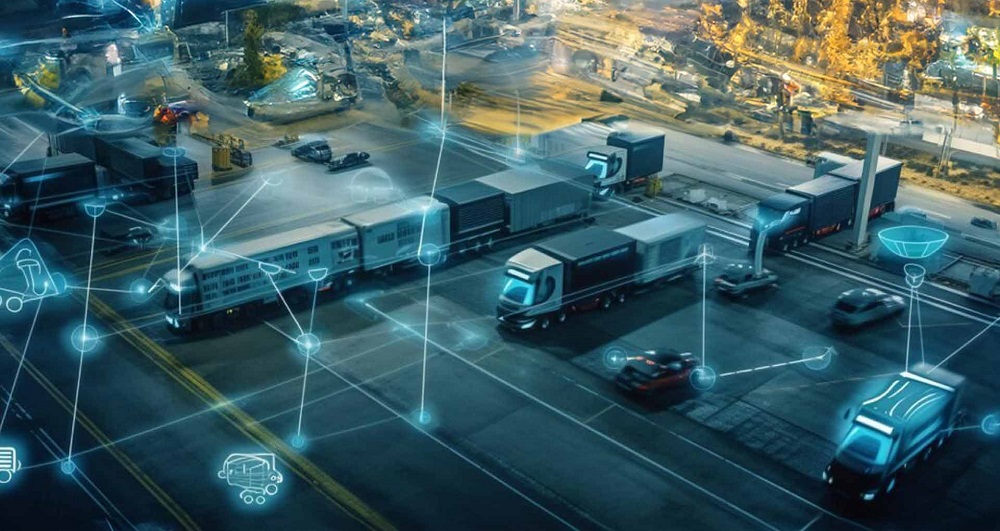
Managing a fleet may seem like an attempt to put a leaking boat back on the water. Fuel slips away. Maintenance bills creep up. One is likely to get nauseating delays where nobody is looking over their shoulder. This is where the fleet tracking management level changes things and transforms the fragmented vehicle activity into quantifiable performance that can be refined by the leaders rather than tolerated. When it becomes visible, then everything works since what is measured is improved.
Discipline on route is one of the effective strategies. Statistics soon show where routes are time consuming and wasteful. Even a few kilometers added to the journey might appear insignificant, but when it comes to dozens of cars they swell costs quickly. Reviewing route history and reassigning routes also helped the companies to reduce unnecessary mileage without affecting service. The savings are silent, yet fairly regular. The fewer the miles covered, the less fuel consumed, the less wear, and service interruptions.
Another point of pressure is driver behavior. Rough braking, acceleration and idling run up fuel expenses and overload engines. Coaching is accurate when these patterns have been noticed by the performance reports. Managers do not give general warnings, but provide the real numbers. It is usually a good response by drivers since there are expectations. More relaxed driving behavior ensues and expenses start to calm down. Small corrections add up so fast.
Maintenance strategy also becomes better. It is costly and hectic to wait until breakdowns occur. Mileage and engine information are automatically captured in tracking systems and service can be booked on real-use. Cars are rotated when serviced before the issues get out of hand. Downtime shrinks. Repair expenses stabilize. The performance will be uninterrupted due to the reliability of assets.
A different method of approach is through performance benchmarking. It will be easy to make comparisons when all the data of all the vehicles is stored in a single system. What are the most fuel-intensive vehicles in terms of kilometers? Which routes are always on time exceedances? These comparisons are used to make wiser deployment decisions.