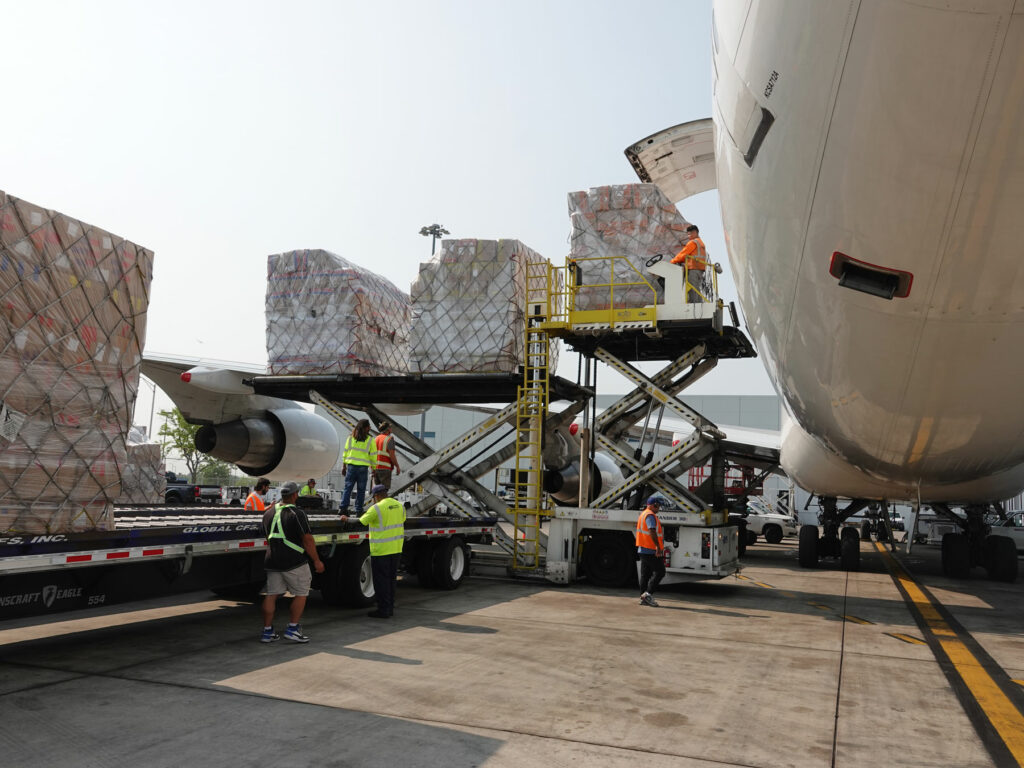
Shipping cargo to India from the UAE requires careful consideration of various factors, including cost, speed, reliability, and the nature of the goods being transported. Two primary modes of transportation dominate international shipping: sea freight and air freight. Each has its advantages and disadvantages, depending on the specific requirements of the shipment.

In this guide, we will compare sea freight and air freight for shipping cargo to India, helping businesses and individuals make informed decisions based on their logistics needs.
1. Overview of Sea Freight and Air Freight
Sea Freight
Sea freight involves transporting goods via cargo ships. It is the most common method for shipping large volumes of cargo internationally. Sea freight is further divided into two main types:
- Full Container Load (FCL): The shipper books an entire container for their goods.
- Less than Container Load (LCL): The shipper shares container space with other shipments.
Air Freight
Air freight is the transportation of goods via commercial or cargo airlines. It is the fastest mode of shipping but is generally more expensive than sea freight. Air freight is ideal for time-sensitive, high-value, or perishable goods.
2. Cost Comparison
Sea Freight Costs
- More economical for large shipments and heavy cargo.
- Lower fuel costs compared to air transport.
- Additional charges may include customs duties, port fees, and inland transportation.
Air Freight Costs
- Higher per-kilogram cost compared to sea freight.
- Ideal for lightweight, high-value, or urgent shipments.
- Fewer hidden fees, but fuel surcharges and security fees may apply.
Verdict: If budget is a primary concern, sea freight is the better option for large shipments. However, for urgent or high-value goods, air freight may justify the higher cost.
3. Transit Time
Sea Freight Transit Time
- Slower, typically taking 15-30 days from UAE to India.
- Subject to delays due to weather, port congestion, or customs clearance.
Air Freight Transit Time
- Much faster, usually 3-7 days for delivery.
- Minimal delays, as flights operate on strict schedules.
Verdict: If speed is crucial (e.g., for perishable goods or urgent orders), air freight is the best choice. For non-urgent bulk shipments, sea freight is sufficient.
4. Cargo Capacity and Weight Restrictions
Sea Freight Capacity
- Suitable for large, heavy, and bulky items (e.g., machinery, vehicles, furniture).
- No strict weight limits, but oversized cargo may require special handling.
Air Freight Capacity
- Limited by aircraft space and weight restrictions.
- Ideal for smaller, lighter shipments (usually under 100 kg for express services).
Verdict: Sea freight is better for oversized or heavy cargo, while air freight is optimal for smaller, time-sensitive shipments.
5. Reliability and Safety
Sea Freight Reliability
- More susceptible to delays due to weather, port strikes, or customs hold-ups.
- Lower risk of damage if packed properly in containers.
Air Freight Reliability
- Highly reliable with fixed schedules.
- Less handling reduces the risk of damage or theft.
Verdict: Air freight offers greater reliability, while sea freight is dependable for non-urgent shipments with proper planning.
6. Environmental Impact
- Sea freight has a lower carbon footprint per ton of cargo compared to air freight.
- Air freight emits significantly more CO₂ but is unavoidable for urgent shipments.
Verdict: Eco-conscious businesses may prefer sea freight for sustainability.
7. Customs and Documentation
Both sea and air freight require customs clearance, but:
- Sea freight involves more complex documentation (bill of lading, port fees).
- Air freight has simpler but stricter security checks.
8. Best Use Cases
When to Choose Sea Freight:
- Large, heavy, or non-urgent shipments.
- Cost-sensitive businesses.
- Environmentally conscious shipping.
When to Choose Air Freight:
- Urgent or time-sensitive deliveries.
- High-value or perishable goods.
- Small, lightweight shipments.
Conclusion
Choosing between sea freight and air freight for shipping cargo to India depends on factors like budget, speed, cargo type, and urgency. Sea freight is cost-effective for bulk shipments, while air freight ensures fast delivery for critical goods.
By evaluating these key differences, businesses and individuals can select the best shipping method for their needs when transporting cargo to India from the UAE.