Self storage solves a very ordinary problem. Too much stuff. Too little space. Life expands faster than square footage. Somewhere between old textbooks, seasonal clothes, gym gear you swear you’ll use again, and boxes labeled “misc,” space runs out. That’s where 自存倉 quietly steps in and says, “Leave it with me.”
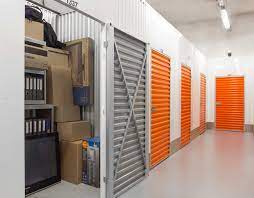
Self storage is a rented space. You store your own belongings. You keep the key or access code. No middlemen touching your things. Think of it as a private room that doesn’t judge your clutter. You rent it short term or long term. A month. A year. Or “until I finally deal with it,” which we both know means later.
How Self Storage Actually Works
You pick a unit size. Small lockers fit documents and boxes. Medium units swallow furniture. Large ones eat entire apartments. Once chosen, you sign a rental agreement. Access details follow. That’s it. No labyrinth of rules. No surprise quizzes.
You move items in yourself. Some places offer trolleys. Some have lifts. Some have narrow corridors that teach patience. Access hours vary. Some close early. Others run 24 hours. Night owls rejoice.
Why People Use Self Storage
Life is messy. Storage is neat. That contrast explains everything.
People store items during home renovations. Students stash belongings between semesters. Small business owners keep inventory off-site. Families hold onto heirlooms they can’t throw away but don’t want tripping them daily. One man stored a kayak. He lived on the 20th floor. You can imagine the relief.
What Can Be Stored And What Cannot
Furniture. Clothes. Books. Sports gear. Tools. Business stock. Decorations that appear once a year and disappear again.
What’s off-limits? Living things. Perishables. Anything illegal. No fireworks. No mystery liquids in unlabeled bottles. If it smells like trouble, it probably is.