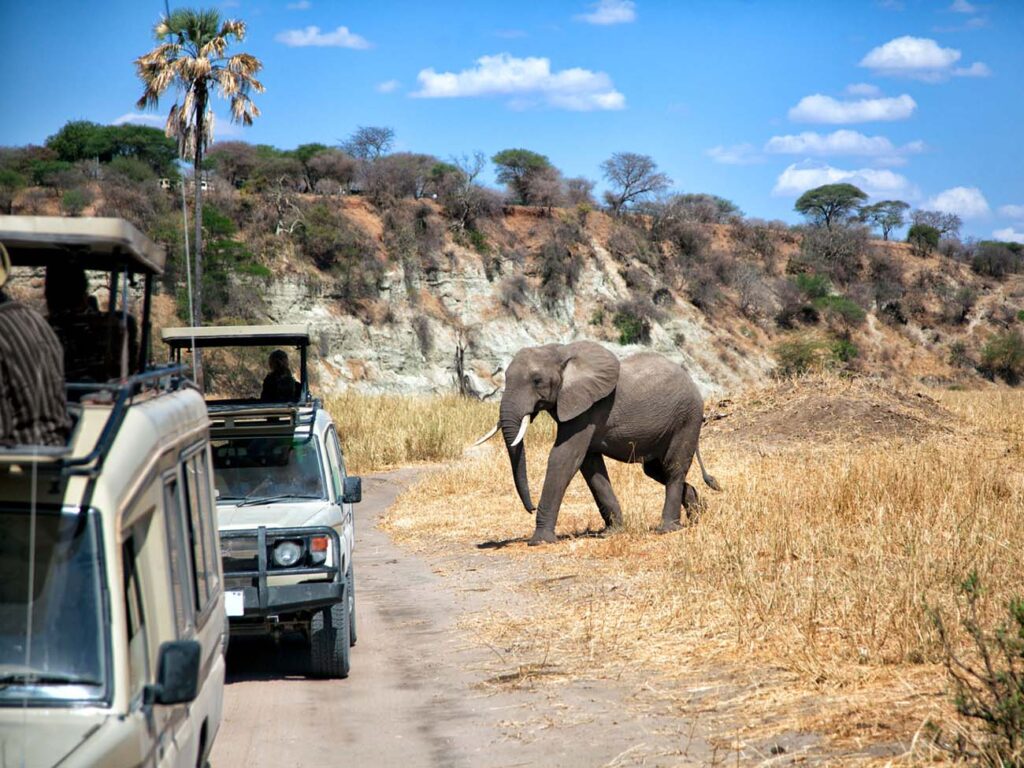
September marks the fourth month of the dry season in Tanzania, making it a prime time for travel. It’s an ideal month to embark on a safari with Tanzania Safari Soles Tours, combine it with a mountain trek, or enjoy a beach retreat to Zanzibar. The dry season provides optimal wildlife viewing opportunities as animals remain near permanent water sources due to the arid landscapes, and the sparse vegetation makes spotting them easier. Additionally, the dry conditions are perfect for trekking Mount Kilimanjaro or the more challenging Mount Meru.

On the coast, temperatures are just right for a beach getaway—an excellent way to end a safari. However, be prepared for peak prices during the dry season. To visit Tanzania in September, you should book your trip a year in advance. Below are some tips for a more private experience and cost savings.
What is the weather like in Tanzania in September? Due to Tanzania’s location near the equator, it has a tropical climate characterized by two rainy and two dry seasons.
September falls in the fourth month of the dry season, extending from June to the end of October. During these months, rain is scarce across Tanzania, making it an ideal time for safaris, mountain treks, and beach holidays.
Temperatures in September vary across regions and altitudes. Generally, southern Tanzania is warmer than the north, with coastal areas experiencing the highest temperatures. In June, the onset of the dry season, temperatures are at their lowest yet remain warm because of the tropical climate. As the dry season progresses, temperatures gradually increase, becoming quite comfortable by September. However, early morning game drives can be chilly, so wearing a warm layer is advisable to stay comfortable.
At higher altitudes, temperatures and rainfall can differ, so expect temperatures to be about ten degrees cooler. Additionally, night temperatures can drop significantly, even reaching zero, so it’s wise to pack several thin layers that can be removed as the mornings quickly heat up.